Traditional Homemaking
This program covers the practical arts of running a home with intention and confidence. Delila Glick, who managed a large Amish household for decades, teaches the systems and habits that make a home function smoothly—with joy rather than chaos. Sessions cover meal planning, kitchen organization, simple cleaning rhythms, and the art of genuine hospitality.
Curriculum
What You'll Learn
- Weekly rhythm and routine design
- Kitchen organization and meal planning
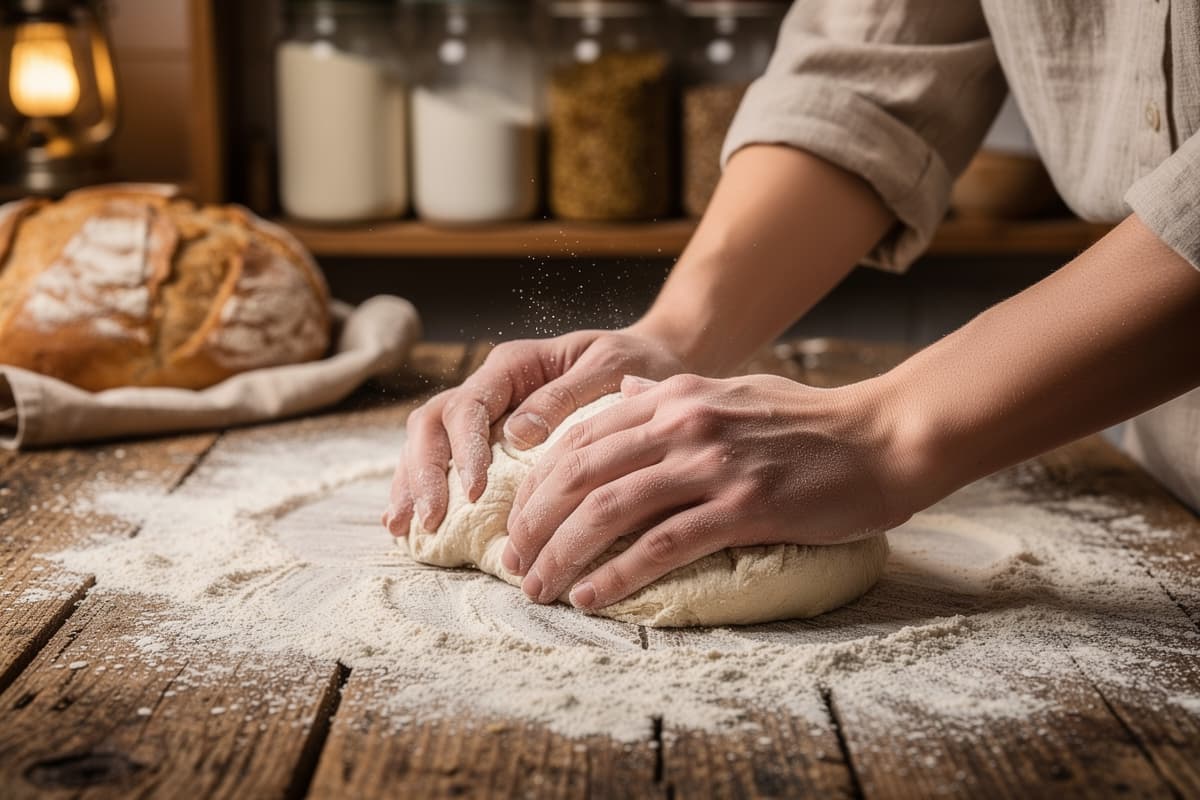
- Bread baking from scratch
- Simple scratch cooking
- Home cleaning rhythms
- Pantry management
- Hospitality essentials
- Rest and Sabbath keeping
What's Included
- ✓Printed homemaking workbook
- ✓Recipe collection
Schedule
- Day 1Kitchen, pantry, and rhythm — how to structure your week
- Day 2Bread baking from scratch and scratch cooking
- Day 3Hospitality, cleaning rhythms, and building sustainable routines
Your Instructor
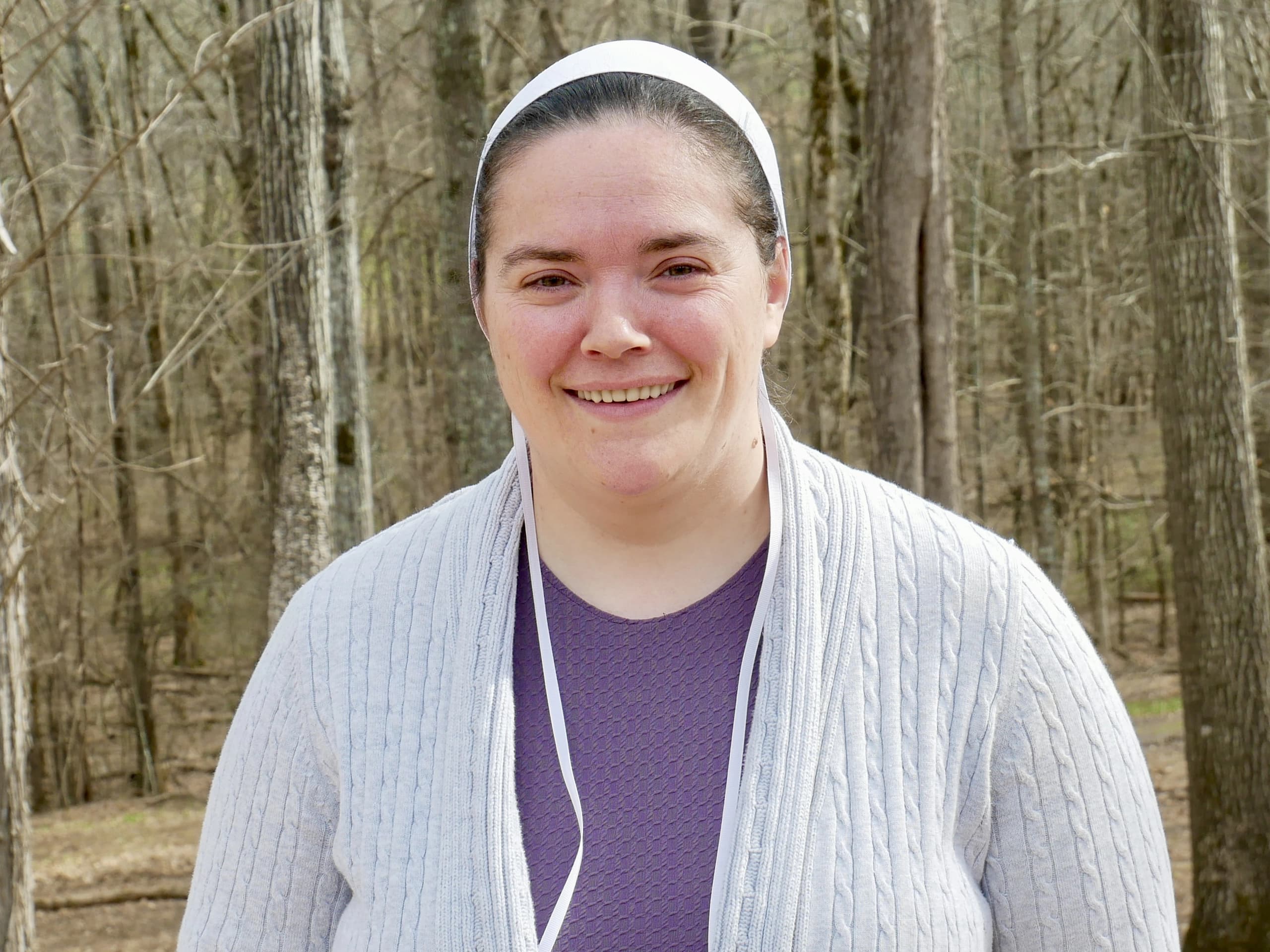
Delila Glick
Delila raised six children in a home without electricity and has been teaching homemaking skills for over 20 years. She brings warmth, practicality, and deep experience to every session.
Meet the family →Questions
Frequently Asked
Not at all. We welcome anyone who wants to improve their home management skills. Men, couples, and single adults all attend and benefit.
Yes. Days 2 and 3 include significant hands-on time in our farmhouse kitchen. You’ll bake bread from scratch and prepare multiple dishes during the program.
Older children can participate in many of the sessions. For young children, we ask that you make arrangements in advance. Contact us to discuss options.
Have a question not answered here? Contact us
Other Programs
See all →Food Preservation & Canning
Prepare produce and preserve it safely—practical steps, tools, and confidence for your pantry.
Learn more4-day workshopTimber & Construction
Hands-on building projects and tool confidence—small structures, repairs, and safe technique.
Learn more3-day workshopSustainable Farming
Learn practical field skills—planting, cultivating, harvesting—and the rhythm of seasonal work.
Learn more